

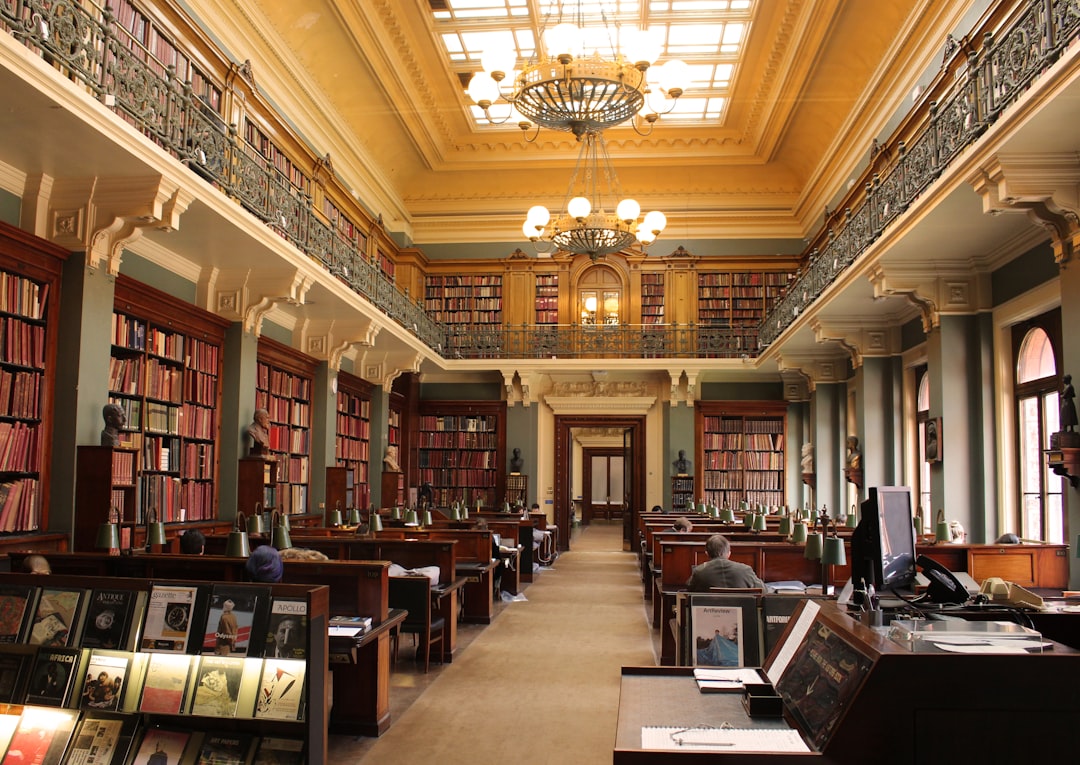
The Indian Certificate of Secondary Education (ICSE) board has gained recognition as one of the most prestigious educational boards in India. While much has been discussed about the curriculum, examination patterns, and teaching methodologies, the micro-history of the ICSE, encompassing lesser-known events, individuals, and developments, is often overlooked. This article aims to delve deep into the micro-history of the ICSE, examining events and figures that have contributed to its evolution, shaping students’ educational experiences.
1. The Foundation of ICSE and Its Historical Context
1.1 Historical Background
The ICSE board was established in 1958 under the Council for the Indian School Certificate Examinations (CISCE). This was a significant period in Indian history, marked by the transition from British rule to independence and the subsequent reformation of the education sector. The board aimed to provide an education that was comprehensive, emphasizing analytical thinking and a broader understanding of subjects beyond rote learning.
1.2 Key Figures in ICSE’s Establishment
While many know about prominent personalities like Dr. Rajendra Prasad and Jawaharlal Nehru during the independence movement, lesser-known individuals played pivotal roles in the formation of the ICSE. One such figure is Mr. A. R. D. Gokhale, who was instrumental in the early stages of CISCE. His vision was grounded in adapting English education to suit Indian cultural contexts, ensuring that local languages and histories were integrated into the curriculum.
2. Evolution of the Curriculum: An Unveiled Journey
2.1 Early Curriculum and Its Impact
The initial ICSE curriculum was a response to the failings of the British colonial education system, which prioritized rote memorization. The board sought to foster creativity and critical thinking. A previously unexamined influence on the curriculum was the work of educators like Annie Besant, who was integral to the educational reforms in the early 20th century. Her advocacy for holistic education and intellectual awakening among Indian youth laid the groundwork for what would become the ICSE’s educational philosophy.
2.2 Significant Additions Over Time
As education evolved, the ICSE curriculum adapted to incorporate emerging fields. One notable inclusion was environmental science in the late 1990s—a reflection of growing global awareness about ecological issues. This shift was significantly influenced by environmental activists in India, such as Sundarlal Bahuguna, who pushed for educational reforms that highlighted the importance of sustainability.
3. Noteworthy Events in ICSE’s History
3.1 The First Examination
The first ICSE examination was conducted in 1980 and marked a new journey for the board and its students. Though overshadowed by the CBSE board, the ICSE examination attracted a unique demographic of students who valued a well-rounded education. It also created a distinct identity, showing parents and students that an alternative to the mainstream system was not only available but also valuable.
3.2 Introduction of Modern Technology
The early 2000s witnessed a technological revolution that influenced educational methodologies. ICSE became one of the first educational boards in India to integrate digital learning tools. Lesser-known initiatives included partnerships with tech companies to develop interactive learning platforms. This was spearheaded by educators like Ravi Vohra, who passionately believed in blending technology with traditional learning methods.
4. The Role of Lesser-Known Cultural Movements
4.1 Influence of Language Movements
India’s linguistic diversity influenced the educational landscape, and ICSE has been at the forefront of promoting regional languages. Movements in states like Tamil Nadu and West Bengal, advocating for mother-tongue instruction, brought about significant changes in the ICSE curriculum. The board integrated local languages, emphasizing their importance in fostering identity and connection to cultural roots.
4.2 Arts and Literature in ICSE
The inclusion of arts and literature in the ICSE curriculum has a fascinating history. Influenced by poets and writers such as Rabindranath Tagore and R. K. Narayan, ICSE adopted an approach that encouraged creative expression. Lesser-known literary figures, such as Kamala Das, whose works explored the complexities of Indian womanhood, have been included in the syllabus, enriching the cultural experience for students.
5. Leaders Who Shaped ICSE
5.1 Visionary Educators
While many associate ICSE’s growth with its councils and committees, individual educators have made substantial impacts. One such educator is Dr. Manohar B. P. Kale, whose techniques in teaching sciences brought a new dimension to the learning process. His lesser-known theories on experiential learning have influenced pedagogical approaches within the ICSE framework.
5.2 The Role of School Leaders
School heads and administrators have often played critical roles in implementing ICSE’s varied educational policies. Schools like St. Xavier’s in Mumbai and La Martiniere in Lucknow, under visionary leaders, became beacons of educational excellence. In the 1990s, many lesser-known Principals organized symposiums to discuss best practices, creating hubs of innovation.
6. ICSE and Societal Changes
6.1 Gender Equality in Education
The ICSE board has made notable strides in promoting gender equality. Initiatives led by organizations such as the Kiran Society aimed to support girls’ education, especially in rural areas. Localized events, like educational camps that reached out to marginalized communities, were essential in facilitating broader access to quality education.
6.2 Cultural Sensitivity in Curriculum Design
In response to the diverse socio-cultural landscape of India, ICSE has continuously worked on making the curriculum culturally sensitive. Focus groups in the early 2000s aimed to incorporate localized histories and traditions into the syllabus, fostering a sense of belonging while promoting national unity.
7. Innovations and Challenges
7.1 The Switch to Outcome-Based Education
In recent years, ICSE has shifted toward an outcome-based education system. The goal is to equip students with skills necessary for the modern world. However, this transition was not without its challenges. Early adopters shared stories of resistance from conservative educational circles, which preferred traditional methods over modern educational theories.
7.2 Response to COVID-19
The pandemic brought unprecedented challenges to the education sector, including the ICSE. Lesser-known narratives from teachers and schools demonstrate resilience and innovation. For instance, many educators used social media platforms for virtual classrooms, showcasing the adaptability of ICSE in times of crisis.
8. The Future of ICSE: Looking Ahead
8.1 Emphasis on Holistic Development
ICSE’s commitment to fostering holistic development remains unwavering. The introduction of extracurricular activities and life skills in the curriculum aims to prepare students for challenges beyond academics. Initiatives led by community leaders at local levels often overlooked by mainstream discussions, have been instrumental in driving these changes.
8.2 Globalization and Its Impact on ICSE
As the world becomes increasingly interconnected, ICSE is adapting to globalization. While preserving Indian heritage, it also seeks to imbue students with a global perspective. Lesser-known collaborations between Indian and international schools have resulted in exchange programs that enrich the educational experience.
8.3 Sustainable Education Practices
With growing awareness of climate change and societal issues, ICSE is embracing sustainable education practices. Initiatives driven by student-led movements, such as those inspired by individuals like Greta Thunberg, showcase the power of youth in shaping educational dialogues around sustainability.
9. Conclusion
The ICSE board stands as a testament to adaptability, forward-thinking, and commitment to quality education. However, the journey has not been without its struggles and triumphs, many of which remain unspoken in mainstream narratives. As students and parents navigate this educational landscape, it is essential to acknowledge the rich micro-history that has shaped the ICSE into what it is today. The stories of lesser-known figures, events, and innovations encapsulate the ethos of ICSE, promising a bright future for its students who are not just academically prepared but also culturally aware, resilient, and equipped to navigate an ever-changing world.
Final Thoughts
Navigating the ICSE involves understanding not only the curriculum but also the history, culture, and values that underpin it. As students and parents embark on this journey, they can draw strength and inspiration from the myriad stories interwoven in the fabric of ICSE’s educational landscape. Acknowledging these narratives serves as a reminder that education is a living entity, continuously evolving, shaped by the lives and experiences of countless individuals who have contributed to its growth. By understanding this history, students and parents can better appreciate the opportunities they have and the responsibility they share in ensuring that the future of the ICSE remains bright and impactful.
