

Introduction
The distribution of gas subsidies in India has undergone significant transformations over the years, evolving from a complex system fraught with challenges into a more streamlined process aimed at ensuring that the benefits reach citizens directly. This article delves into the historical context of gas subsidies in India, the impact of various policies over the decades, and the revolutionary steps taken to enable citizens to receive their gas subsidies straight into their bank accounts. We will traverse lesser-known but impactful events, influential leaders, regional developments, and cultural shifts that have shaped this initiative.
Historical Context of Gas Subsidies in India
Early Days of Subsidies
The concept of subsidies in the Indian context dates back to economic policies post-Independence in 1947. The Indian government adopted a welfare-oriented approach to ensure that the basic needs of its citizens were met, particularly for essential commodities like food and fuel. The initial years saw subsidies being administered through public distribution systems, which were often marred by inefficiencies, corruption, and black-market activities.
The Evolving Architecture of Gas Subsidies
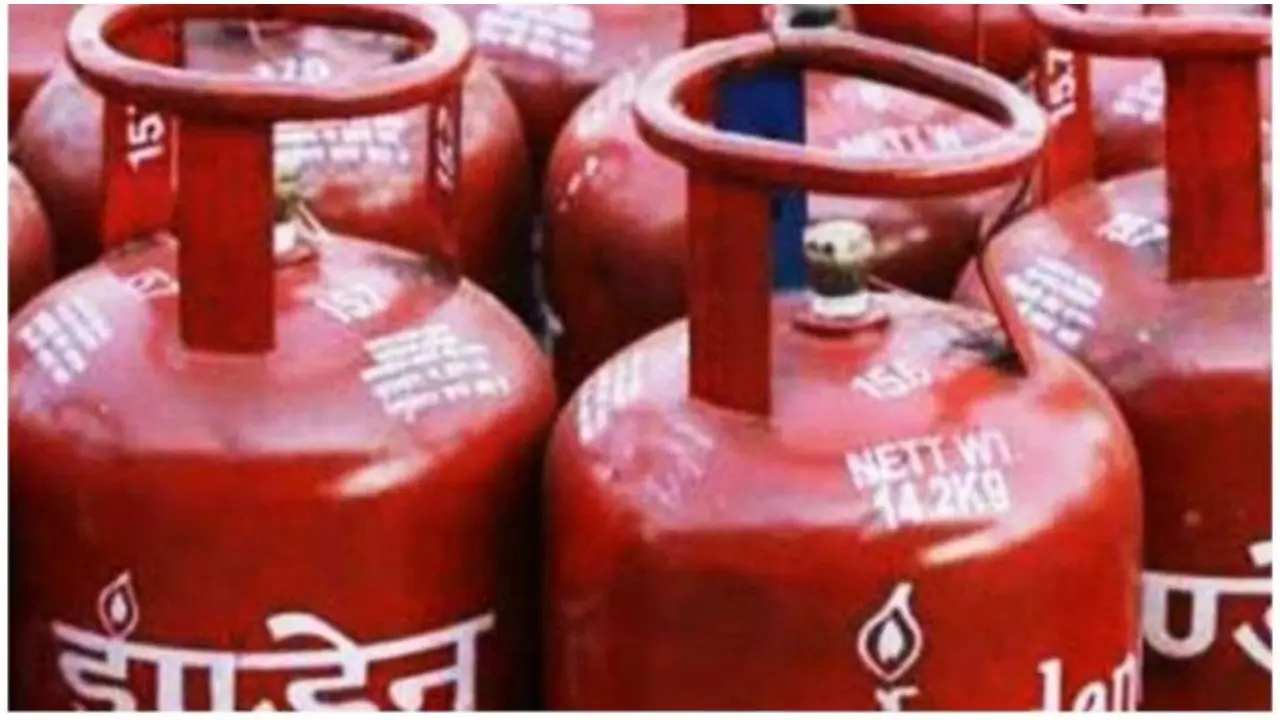
By the late 1980s and early 1990s, with the liberalization of the Indian economy, the sources and administration of subsidies were called into question. The LPG (Liquefied Petroleum Gas) cylinder became a household necessity, and various government interventions aimed to keep the price affordable for the common man. However, the system was increasingly recognized as unsustainable.
The introduction of the Public Sector Oil Marketing Companies (OMCs), such as Indian Oil, Hindustan Petroleum, and Bharat Petroleum, centralized the distribution of LPG but did not eliminate challenges. The subsidy burden on these companies grew heavier, prompting the government to rethink the entire framework.
The Tremors of Policy Change
Introduction of Direct Benefit Transfer (DBT)
The most significant turning point in receiving gas subsidies occurred with the launch of the Direct Benefit Transfer (DBT) scheme in 2013. The aim was to reduce leakages and ensure that benefits reached the intended recipients directly through their bank accounts. This paradigm shift was spearheaded by then-Prime Minister Narendra Modi, who introduced the scheme to eradicate middlemen and inefficiencies that were synonymous with the earlier approaches to welfare.
Technological Advancements
The DBT scheme was facilitated by advancements in technology—specifically, the Aadhaar initiative, which sought to provide every Indian citizen with a unique identification number. The linkage of Aadhaar with bank accounts allowed the government to disperse subsidies seamlessly, marking a new chapter in the realm of public welfare.
The Cultural Shift: Trust in Digital Systems
Changing Mindsets
The introduction of digital transactions and direct credit into bank accounts marked a cultural shift in Indian society. Where once cash transactions and manual systems dominated, there emerged a growing acceptance of digital tools. This transition was not without obstacles; it required significant outreach and education, especially in rural areas where digital literacy was still in its infancy.
Case Studies of Successful Implementation
In areas such as Andhra Pradesh and Tamil Nadu, the direct transfer model showed promising results. Local leaders, often unknown on the broader political stage, played crucial roles in ensuring that people understood and embraced the new system. Initiatives in these states emphasized community engagement, leveraging local influencers to demystify the technology.
Lesser-Known Events and Leaders
The Role of Grassroots Leaders
While prominent political figures championed the gas subsidy reforms, many grassroots leaders worked diligently in their communities to educate the populace. For example, women leaders in rural Bihar organized workshops to explain how to register for gas subsidies linked to their Aadhaar numbers. Their efforts ensured a larger outreach and acceptance rate, long before the national narrative acknowledged their contributions.
Forgotten Tales of Resistance
Though the DBT scheme aimed to simplify benefits, it faced opposition from various quarters. Lesser-known protests occurred across India, particularly among the lower-income groups who initially struggled to navigate the new bank-centric system. In remote villages, traditional cash distributors were seen protesting, fearing for their livelihoods. Such movements, though small, encapsulated the broader discourse on entitlement and accessibility.
Regional Developments
The Impact of Local Governance
In states like Kerala and Maharashtra, local governance played a pivotal role in the distribution of gas subsidies. The decentralized administrative structure allowed for innovative strategies tailored to regional needs. Local self-governments took the lead in organizing camps to help citizens open bank accounts and link their Aadhaar credentials effectively, ensuring higher participation in the subsidy scheme.
Mapping Success Through Data
Data from regions that embraced these changes earlier showed a remarkable decline in fuel smuggling and black market activities. Regions that historically faced issues of subsidy leakages now reported a noticeable increase in the efficiency of distributed benefits. This data presents a lesser-known success story that reflects the impact of effective local governance.
Economic Implications of Direct Transfer
Cost Reduction
The move to provide direct cash transfers of gas subsidies significantly reduced the financial burden on the government, helping to allocate resources more effectively. Studies revealed that the overall costs associated with leakage and mismanagement dropped dramatically. This newfound efficiency allowed for resources to be redirected to other development initiatives, such as education and healthcare, which is often overshadowed in discussions about subsidies.
Economic Empowerment
By linking subsidies directly to bank accounts, the scheme empowered citizens economically. With timely cash deposits, families had enhanced liquidity, allowing them to make more informed economic decisions. The pressure of waiting for LPG deliveries diminished, promoting a culture of self-reliance—especially among women, who often manage household budgets.
The Shadow of Inequality
Despite the progress, the digital divide and other socioeconomic disparities meant that not every citizen had equal access to the benefits. For instance, in tribal areas, where literacy rates and access to banking facilities lagged, challenges persisted. Recognizing these gaps became crucial for policymakers and social workers committed to achieving inclusive growth.
Cultural Developments Associated with the Subsidy Reform
Embracing Digital Literacy
The demand for digital literacy surged with the rollout of the DBT scheme. Organizations, both governmental and non-governmental, recognized the opportunity to bridge the digital divide. Educational initiatives blossomed, and efforts by local NGOs resulted in increased awareness about digital banking, Aadhaar registration, and the benefits of government schemes.
Women-Driven Change
Women emerged as key players in the successful implementation of the subsidy reforms. In many households, women took the lead in managing finances and liaising with banks. This empowerment catalyzed a broader movement toward gender equality, fostering conversations around women’s roles in economic participation and decision-making.
Lessons from the Past: Ensuring Sustainable Growth
Looking Back to Build Forward
The history of gas subsidies in India, marked by both successes and failures, teaches valuable lessons about governance, accountability, and the essence of citizen engagement. Policymakers must ensure that any future initiatives embrace these learnings, fostering an inclusive and transparent environment.
The Role of Sustainable Practices
Future gas subsidy models must integrate sustainable practices by including renewable energy options in subsidy frameworks. As the global narrative shifts towards sustainability, India’s subsidy structure should also reflect a commitment to environmental responsibility, preparing for a future where fossil fuels are gradually supplemented by cleaner alternatives.
Conclusion
The journey of receiving gas subsidies straight into bank accounts is emblematic of broader changes in Indian society. Through an intersection of technology, grassroots leadership, and cultural shifts, the initiative has significantly impacted the lives of millions. Yet, as the tale of subsidies unfolds, it serves as a reminder of the complexities involved in governance and social welfare. By recognizing and celebrating lesser-known stories, events, and leaders that shaped this narrative, we gain a richer understanding of India’s progress and challenges in the realm of public welfare.
As India continues to evolve, pressing ahead with ambitious goals of development and inclusivity, it is imperative to build on these transformative changes and ensure that the benefits of economic growth reach every citizen. The road ahead is long, but with lessons from the past as our guide, the vision of a welfare state that truly serves its people can become a reality.
