

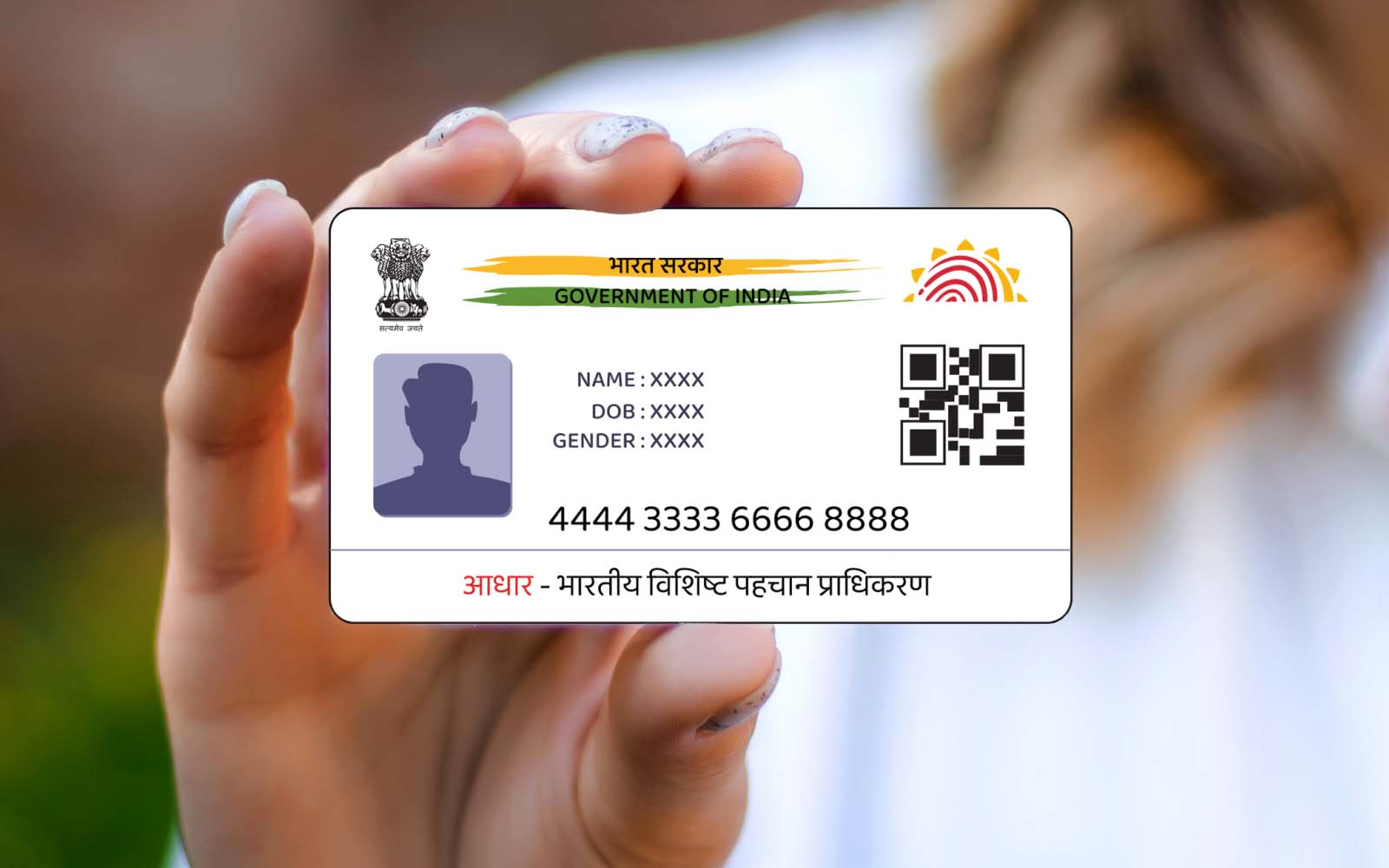
India’s vast landscape of bureaucracy, technology, and social initiatives often intertwines to present citizens with both opportunities and challenges. One significant development in recent years is the initiative to link Aadhaar, the unique identification number, with voter ID. This integration aims to streamline electoral processes, reduce corruption, and ensure that citizens have access to their voting rights. This guide will detail the step-by-step process of linking your Aadhaar with your Voter ID online, while also highlighting lesser-known but impactful events, personalities, and cultural developments in Indian history.
Historical Context of Aadhaar and Voter ID
The Evolution of Aadhaar
The Aadhaar project, initiated in 2009 under the UPA government, aimed to create a universal identity system to improve the delivery of welfare services. The concept stemmed from the need to identify individuals uniquely to prevent duplication and streamline benefits.
The Voter ID System
Since its inception in 1993, the Election Commission of India has developed the Voter ID system to ensure fair and free elections. The Voter ID is an essential document that enables individuals to voice their opinions during electoral processes.
The Importance of Linking Aadhaar with Voter ID
Linking Aadhaar with the voter ID serves several purposes:
- Elimination of Identity Fraud: By linking the two, the chances of multiple registrations using false identities are minimized.
- Streamlined Electoral Process: This integration allows for easier verification of voter identities at polling booths.
- Accessibility: A unified system allows for better access to electoral information and services.
Given the significance of this initiative, it’s essential to understand how to effectively complete this process online.
Step-by-Step Guide to Link Aadhaar with Voter ID Online
Step 1: Visit the National Voter’s Service Portal (NVSP)
- Open your Browser: Launch any web browser on your device.
- Enter the URL: Type in nvsp.in to reach the National Voter’s Service Portal.
Step 2: Navigate to the Aadhaar Linking Option
- Homepage: On the NVSP homepage, look for the option that says "Link Aadhaar".
- Click on the Link: Clicking this option will redirect you to a new page.
Step 3: Fill in Relevant Details
- Enter Voter ID: Input your Voter ID number carefully.
- Enter Aadhaar Number: Now, type in your Aadhaar number in the designated field.
- Captcha Verification: Complete the Captcha verification to confirm you are not a robot.
Step 4: Submit Your Application
- Check Details: Review all the details you’ve entered to ensure accuracy.
- Click on Submit: Once confirmed, click on the Submit button.
Step 5: Acknowledgment Receipt
- Receive a Confirmation: After submitting, you should receive an acknowledgment receipt, often via email or SMS.
- Note the Reference Number: This reference number can be used to track the status of your application.
Step 6: Verification by Election Commission
- Verification Process: The Election Commission will now verify your details.
- Await Confirmation: You will receive a confirmation message once the verification is complete.
Lesser-Known Historical Events Impacting Aadhaar and Voter ID Initiatives
The Role of Technology in Democratization
While these processes have transformed the electoral landscape, they are rooted in a much broader narrative of technological advancements in India. The push for digitalization gained momentum post-1991 when India initiated economic reforms. Innovations in technology began influencing governance, allowing for better information dissemination.
Technological Pioneers
Figures like Dr. Rajendra Prasad, who was instrumental in defining India’s democratic processes post-independence, laid the groundwork for participatory governance. In a digital era, leaders like Nilekani, who headed the UIDAI (Unique Identification Authority of India), advanced the vision into the tech realm.
Cultural Developments Enhancing Civic Engagement
As technology evolves, so does the societal fabric that empowers citizens. Cultural movements promoting civic responsibility have gained traction since the late 20th century.
The Awakening of Social Movements
- Anti-Corruption Movements: The Jan Lokpal movement in 2011, led by figures like Anna Hazare, saw a surge in civic engagement and awareness about governance.
- Youth Empowerment through Technology: The rise of social media platforms has facilitated discussions around voting and civic responsibilities, making the task of linking Voter IDs to Aadhaar more pronounced.
Regional Contributions
From the northeastern states, where issues of identity and voter disenfranchisement have been particularly poignant, the call for a robust identification system has resonated.
- Local Leaders: Leaders from these regions have collaborated to ensure inclusive representation, assisting in refining electoral processes that cater to diverse communities.
- Cultural Festivals: Events like the Hornbill Festival showcase the vibrancy of communities, emphasizing the role of the youth in advocating for their rights, including voting.
Historical Perspective on Voting Rights in India
Voting rights in India have come a long way since the colonial era. Initially, only a select few were granted the privilege to vote, mainly based on property ownership and educational qualifications. Following independence in 1947, the Constitution of India delivered universal suffrage.
Key Legislative Developments
- The Representation of the People Act, 1950: This Act laid the foundation for free and fair elections in India.
- The 61st Amendment (1989): Lowered the voting age from 21 to 18, acknowledging the voice of the youth in the democratic process.
As we observe the current landscape, the goal remains the same: to enable every citizen to participate actively in democracy.
Challenges Faced in the Linking Process
While the online linking of Aadhaar and voter ID is a significant step, several challenges persist:
- Technical Glitches: Users often encounter problems due to server overload or software issues.
- Data Privacy Concerns: The integration of two systems raises questions about data security and privacy.
- Awareness and Accessibility: Many citizens, especially in rural areas, may lack awareness or access to technology to complete this process.
Addressing Technical Challenges
Government initiatives to ensure better technical support and infrastructure development are crucial. Grassroot organizations can play a vital role in educating people about this integration’s significance.
Fostering Awareness
- Community Programs: Workshops can facilitate understanding among citizens about how and why to link their Aadhaar and Voter ID.
- Involvement of Local Leaders: Mobilizing local leaders to advocate for this integration can significantly boost participation.
Conclusion
The journey to link Aadhaar with Voter ID is reflective of a broader narrative in Indian history that illustrates the intersection of technology, governance, and civic duty. As we navigate the complexities of a vast democracy, the steps taken today will define the electoral processes of tomorrow.
By understanding the historical context, acknowledging challenges, and simplifying the linking process, citizens can become more engaged in the democratic process.
Call to Action
We must encourage every Indian citizen to take the necessary steps to link their Aadhaar with their Voter ID, fostering a more inclusive and accountable electoral process. By doing so, we honor the legacy of our forebears who fought for our voting rights and work towards a more empowered future.
This comprehensive guide not only outlines the steps to link Aadhaar and Voter ID but also provides a unique insight into the events and cultural developments shaping contemporary Indian society. Through this understanding, citizens can appreciate their roles and responsibilities in a vibrant democracy.
