

Introduction
In the complex sociopolitical landscape of India, the concept of reservation has been a contentious yet vital aspect of governance and social justice. Reservation policies in India are aimed at uplifting marginalized communities by providing them with equitable opportunities in education and employment. These policies fundamentally shape the recruitment processes for various government jobs and educational institutions. This article will delve into the nuanced history of reservation policies, their implications on government exams at both central and state levels, and explore the micro-histories, events, leaders, and cultural developments that have influenced these policies over the years.
Historical Background
The Origin of Reservation Policies
The roots of reservation in India can be traced back to the British colonial era, specifically the Government of India Act 1935, which aimed to provide representation to the Scheduled Castes (SC) and Scheduled Tribes (ST). The idea was further developed by leaders such as Dr. B.R. Ambedkar, who fought fervently for the rights of the oppressed classes. Ambedkar argued that political representation was crucial for the upliftment of these communities, and his advocacy laid the groundwork for future reservation policies.
Post-Independence Developments
After gaining independence in 1947, the Indian constitution, drafted under the leadership of Ambedkar, provided a framework for social justice. Articles 15 and 16 specifically prohibit discrimination based on religion, race, caste, sex, or place of birth and ensure equality of opportunity in matters of public employment. The constitutional provision thus set the stage for implementing reservation policies to benefit SCs, STs, and later, Other Backward Classes (OBCs).
National Commission for Backward Classes (NCBC)
In 1993, the National Commission for Backward Classes (NCBC) was established to assess the social and educational advancement of OBCs, leading to further expansions in reservation policies. This commission played a critical role in identifying and categorizing backward classes, impacting government opportunities for millions of candidates in government exams.
Understanding Reservations in Government Exams
Central-Level Government Exams
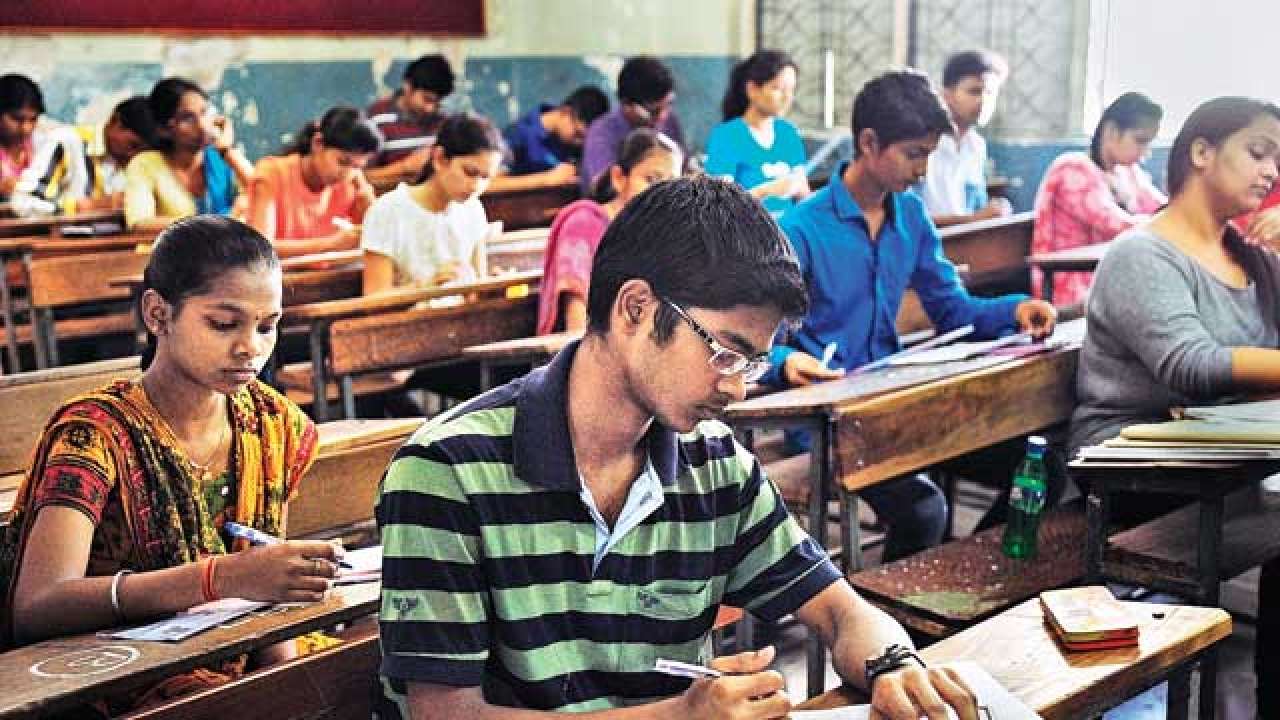
Central-level examinations, such as the Union Public Service Commission (UPSC), Staff Selection Commission (SSC), and Indian Railway Recruitment Boards (RRB), function under the purview of the central government. These exams have specific reservation policies tailored to ensure representation for marginalized communities.
1. UPSC Exams
The UPSC exams, considered one of the most prestigious in India, recruit candidates for various services, including the Indian Administrative Service (IAS), Indian Police Service (IPS), and Indian Foreign Service (IFS). UPSC provides:
- Reservation for SCs and STs: 15% for SCs and 7.5% for STs.
- Reservation for OBCs: 27% reservation for OBC candidates.
These categories are constantly reviewed based on social and educational advancement, leading to various modifications in the reservation system.
2. SSC and RRB Exams
Similar to UPSC, the Staff Selection Commission and Railway Recruitment Boards also maintain reservation policies in their exams:
- SSC: 15% for SC, 7.5% for ST, and 27% for OBC and 10% for Economically Weaker Sections (EWS).
- RRB: Reservation policies are aligned with those of SSC, accommodating all designated categories.
State-Level Government Exams
State-level examinations often reflect local demographics, and reservation policies can vary significantly from state to state. Some states have introduced additional categories for reservations, such as socially and educationally backward classes (SEBC).
1. Maharashtra
Maharashtra is notable for its extensive reservation policies. The state government introduced separate quotas for the Maratha community, recognizing them as a socially and educationally backward class. The agitation of the Maratha community in 2016 aimed for OBC status, which generated widespread discussion about reservation dynamics in the state.
2. Tamil Nadu
Tamil Nadu has been at the forefront of the reservation debate for decades. The state was among the first to implement a 69% reservation policy, with a significant portion allocated to OBCs. This radical approach to reservation has largely been driven by regional political ideologies and the social movements spearheaded by leaders like Periyar E.V. Ramasamy and M.K. Karunanidhi.
Lesser-Known Events and Cultural Developments
While the major policies and leaders remain a focus, it’s essential to shed light on lesser-known events and cultural developments that played an influential role in shaping reservation policies and public perception.
The Karamchedu Incident
In 1985, the Karamchedu incident in Andhra Pradesh led to significant social unrest. The brutal attacks on Dalits by upper-caste landlords highlighted the deep-rooted caste inequalities in India. This incident brought attention to the atrocities faced by marginalized communities and served as a catalyst for intensifying reservation policies. The aftermath of this incident saw various movements advocating for stricter enforcement of reservation in job recruitment and education.
The Role of Literature and Arts
Cultural expressions through literature and art have profoundly impacted the reservation discourse in India. Writers like Arundhati Roy and activists like Anand Teltumbde have utilized platforms to voice concerns against caste injustices, swelling the reservoir of public opinion towards supporting affirmative actions.
Ambedkar Jayanti
Dr. B.R. Ambedkar’s birth anniversary on April 14th is celebrated across India as a day of reflection on equality and social justice. Events held on this day often focus on the achievements of reservation policies and the critical roles played by SCs, STs, and OBCs in shaping modern India.
Challenges in the Implementation of Reservation Policies
Despite the intentions behind reservation policies, several challenges inhibit their effective implementation:
1. Misinterpretation and Misuse
One significant concern is the potential misuse of reservation quotas. Instances of individuals falsely claiming backward status to avail of benefits have raised questions regarding the credibility of the system. Continuous verification mechanisms and updated databases are essential for maintaining integrity in reservation policies.
2. Quality vs. Quantity Debate
The debate surrounding quality in education and employment against the backdrop of reservation continues to polarize opinions. Critics argue that reservation dilutes meritocracy, while proponents maintain that it provides the necessary support for disadvantaged groups to compete on an equal footing.
3. Political Manipulation
Reservation policies are often manipulated by political parties for electoral gains. The politicization of reservation encourages a cycle of temporary fixes rather than sustainable solutions, hindering the quest for genuine equality.
The Future of Reservation Policies: A Transformed Landscape
As India progresses into a more complex socio-economic reality, the conversation about reservation policies necessitates a comprehensive reevaluation.
The Role of Technology
Technological advancements offer new avenues for improving the reservation systems. Digital platforms can enhance transparency in the selection process for government exams, ensuring fair representation.
The Inclusion of EWS
With the introduction of EWS reservations, the discourse is shifting to encompass income-based reservations. However, this also raises concerns of diluting the original intent of caste-based reservations, complicating the conversation around backward classes.
Global Comparisons
Understanding reservation policies globally can provide insights into alternative frameworks. Nations like South Africa, confronting their own histories of inequality, offer models for affirmative action that incorporate social contexts distinct from India.
Conclusion
Decoding reservation policies in India, especially concerning central and state-level government exams, unveils a tapestry of socio-historical dynamics, cultural movements, and evolving narratives. As we move forward, it’s crucial to balance the scales between equity and meritocracy, ensuring genuine upliftment for marginalized communities without compromising on quality.
In this complex endeavor, revisiting the lessons of history—both known and lesser-known—will be vital. The ongoing discourse around reservation policies will undoubtedly shape India’s future as it grapples with issues of identity, representation, and socio-economic justice.
